Autologous rib graft
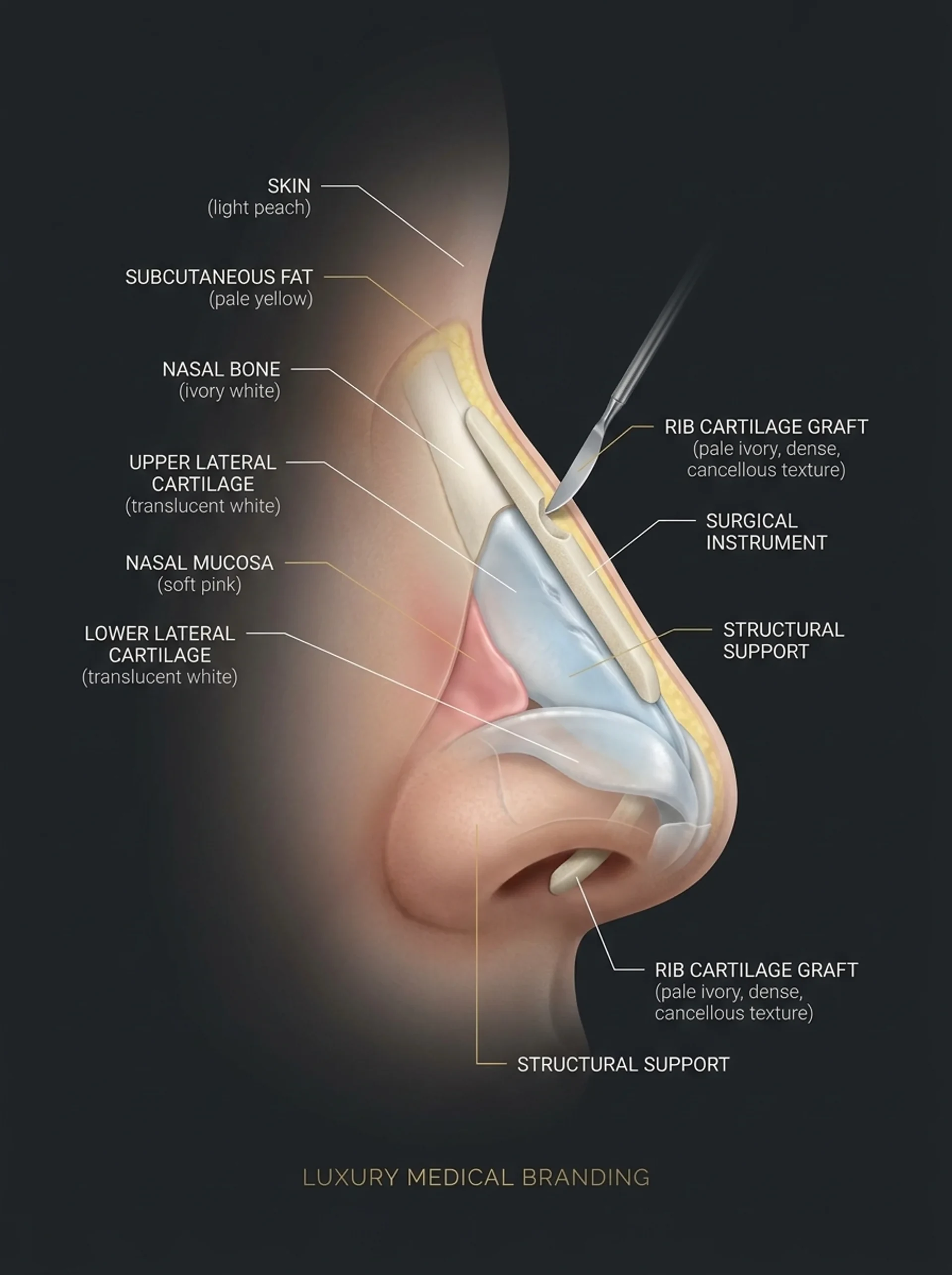
The patient's own rib cartilage rebuilds strong, lasting structure where scar tissue has taken hold.
StrengthHighRejectionNone
Rhinoplasty
재수술 코성형
The most demanding nose we do — rebuilding a previous result with scarred tissue and less margin for error.
Revision rhinoplasty corrects a nose that has become contracted, deviated, over-projected or unnatural after earlier surgery. It is the most technically demanding nasal work: scar tissue must be released, previous implants often removed, and structure rebuilt — frequently with the patient's own rib or ear cartilage — to restore both shape and breathing. Because the margin for error is smaller, planning is meticulous and expectations are set honestly from the first consultation.
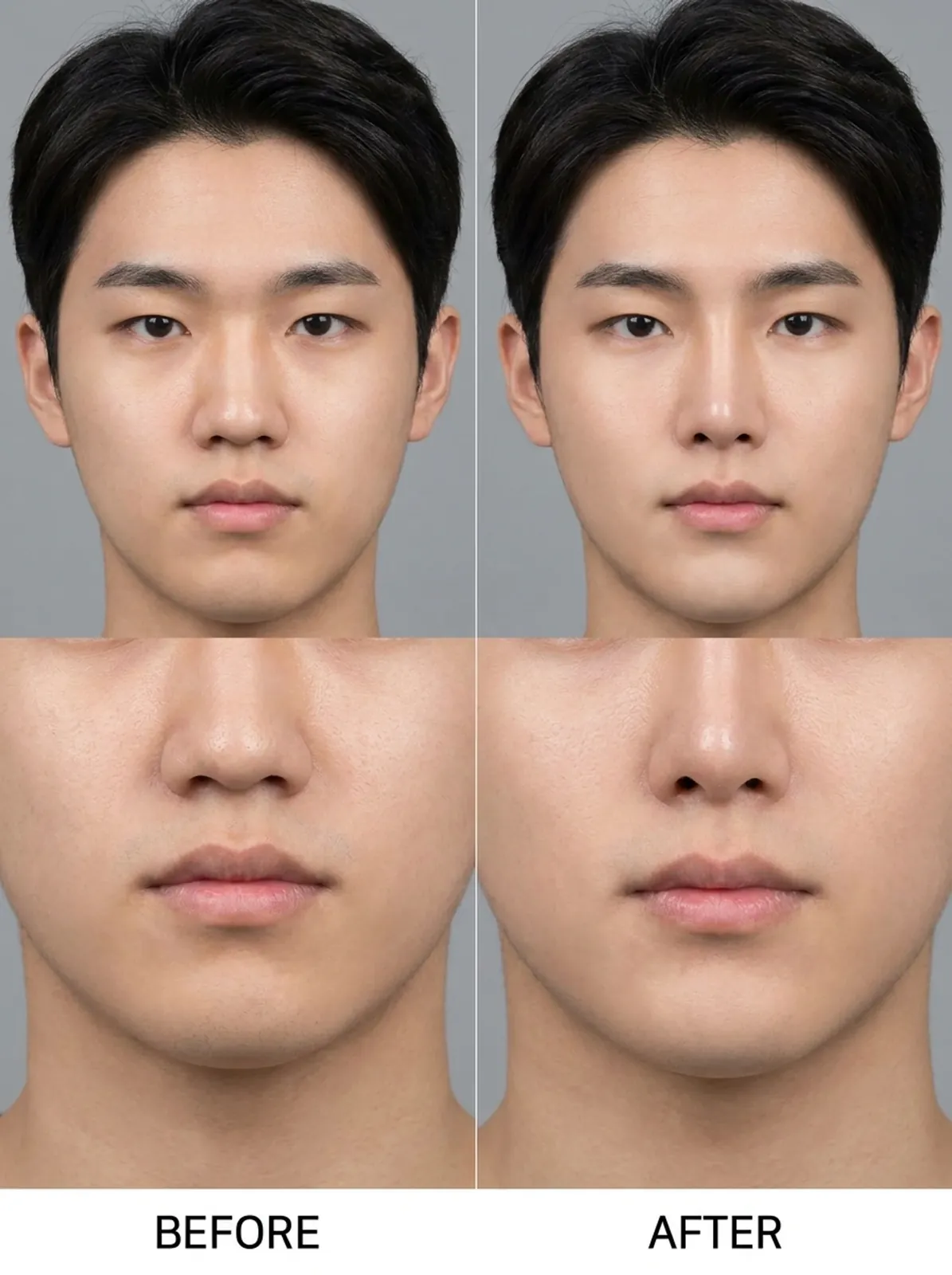
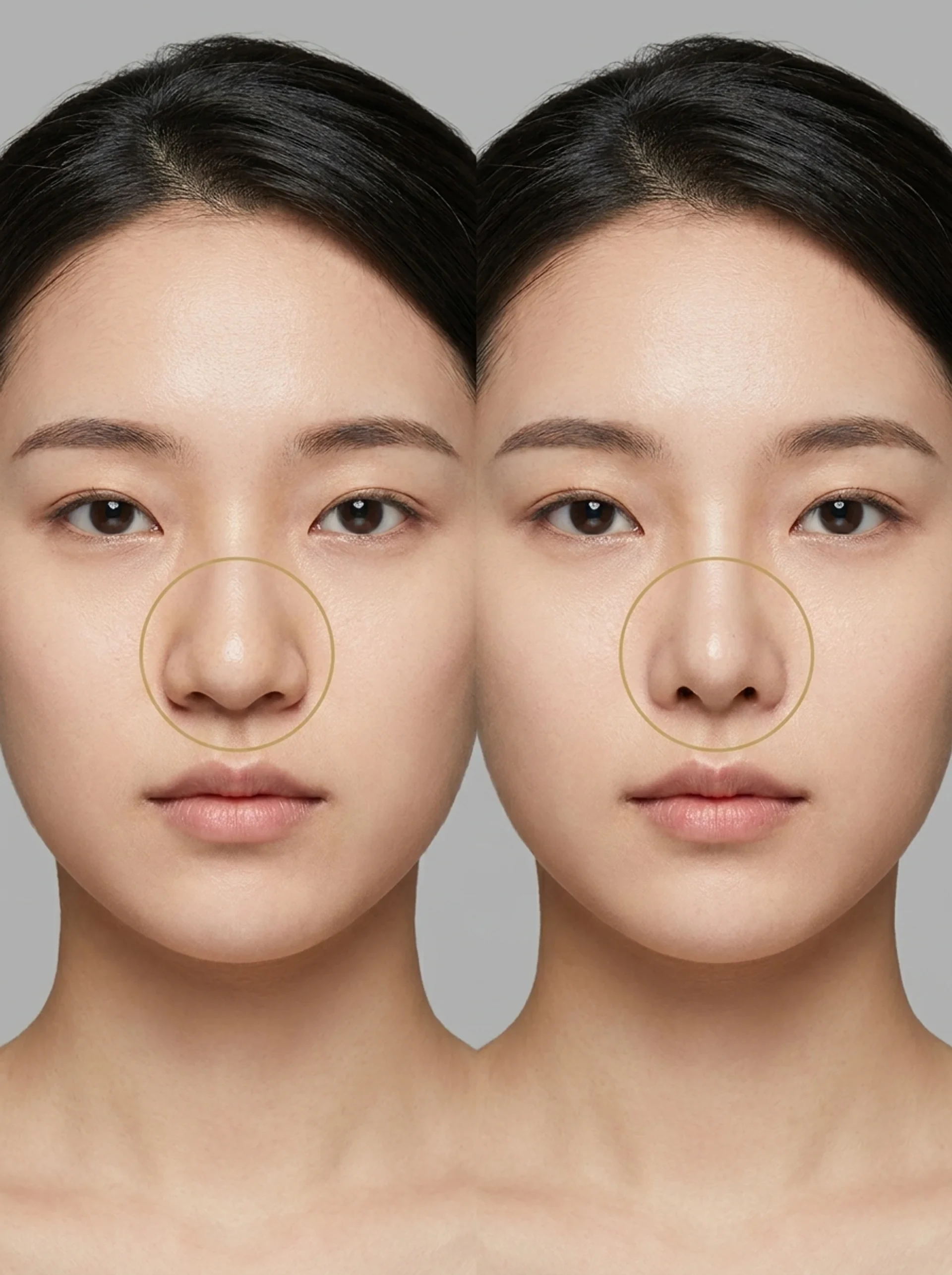
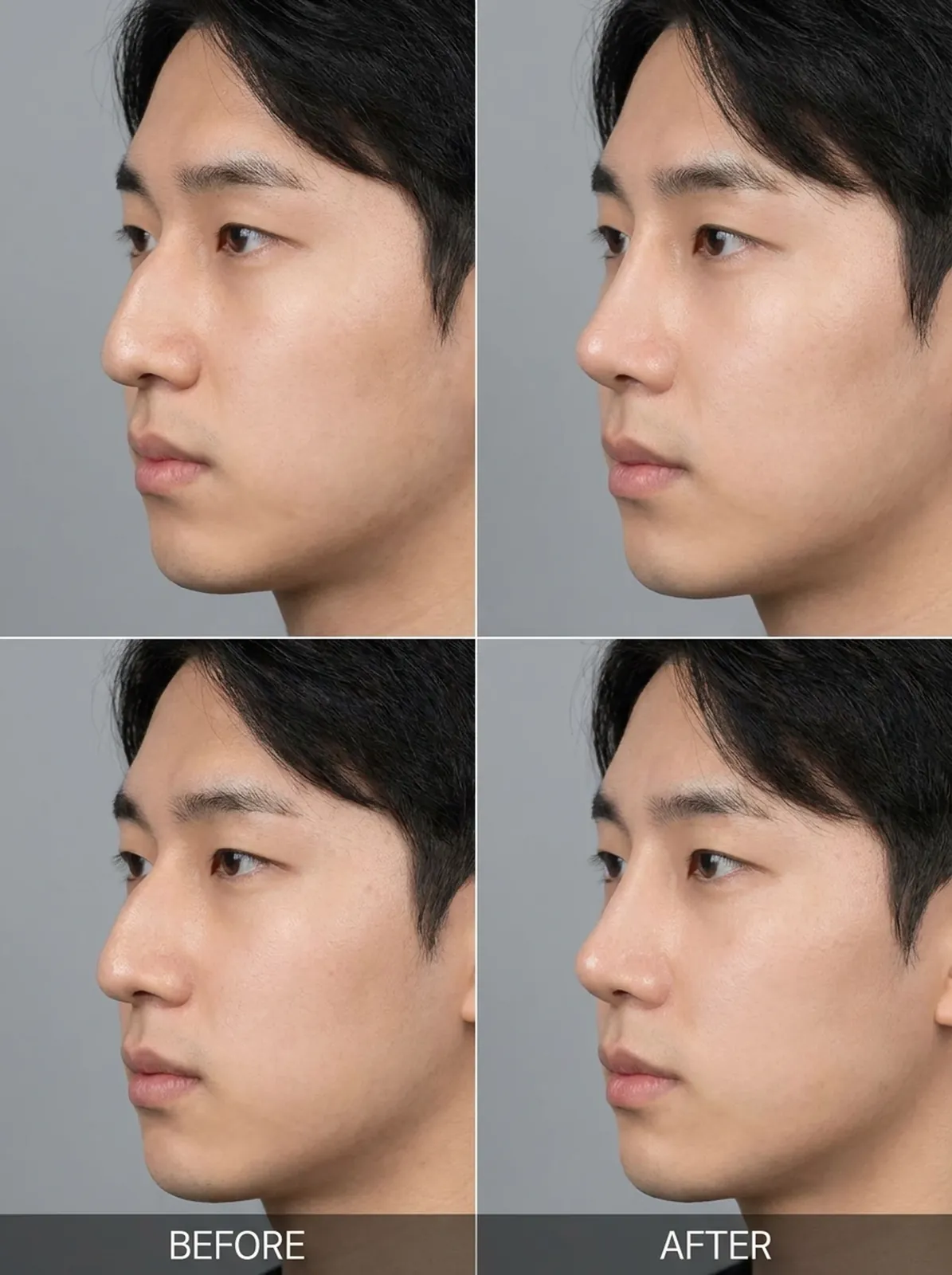
Individual results vary; images are shared with patient consent.
Notice: To protect patient privacy, the images shown are based on photographs of actual patients; however, identifying features have been modified using AI retouching technology. These images are provided solely to aid understanding of surgical outcomes and may differ from actual photographs. Individual results may vary.
The patient's own rib cartilage rebuilds strong, lasting structure where scar tissue has taken hold.
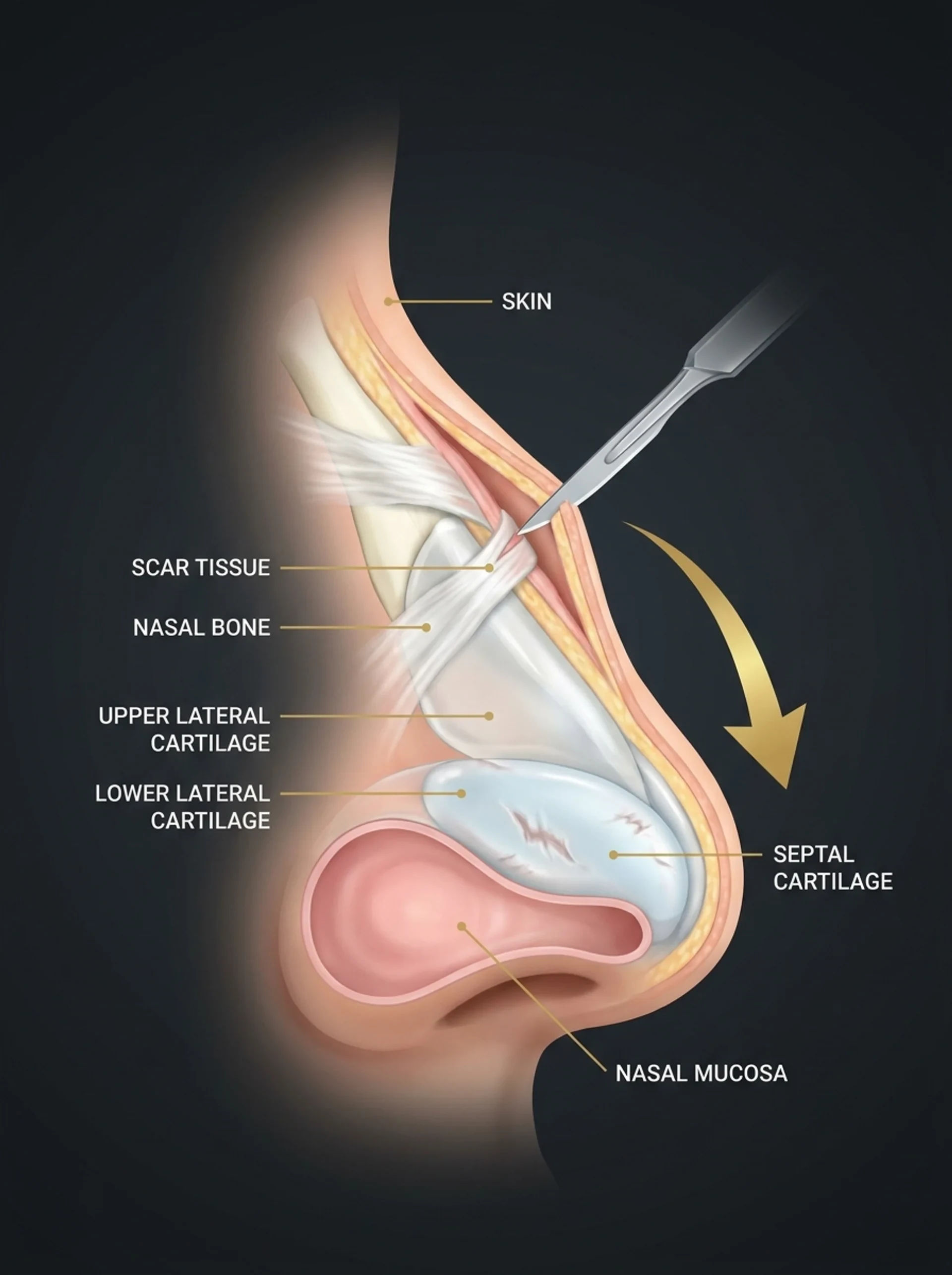
Scarred, contracted tissue is released and re-draped to restore length and a natural line.
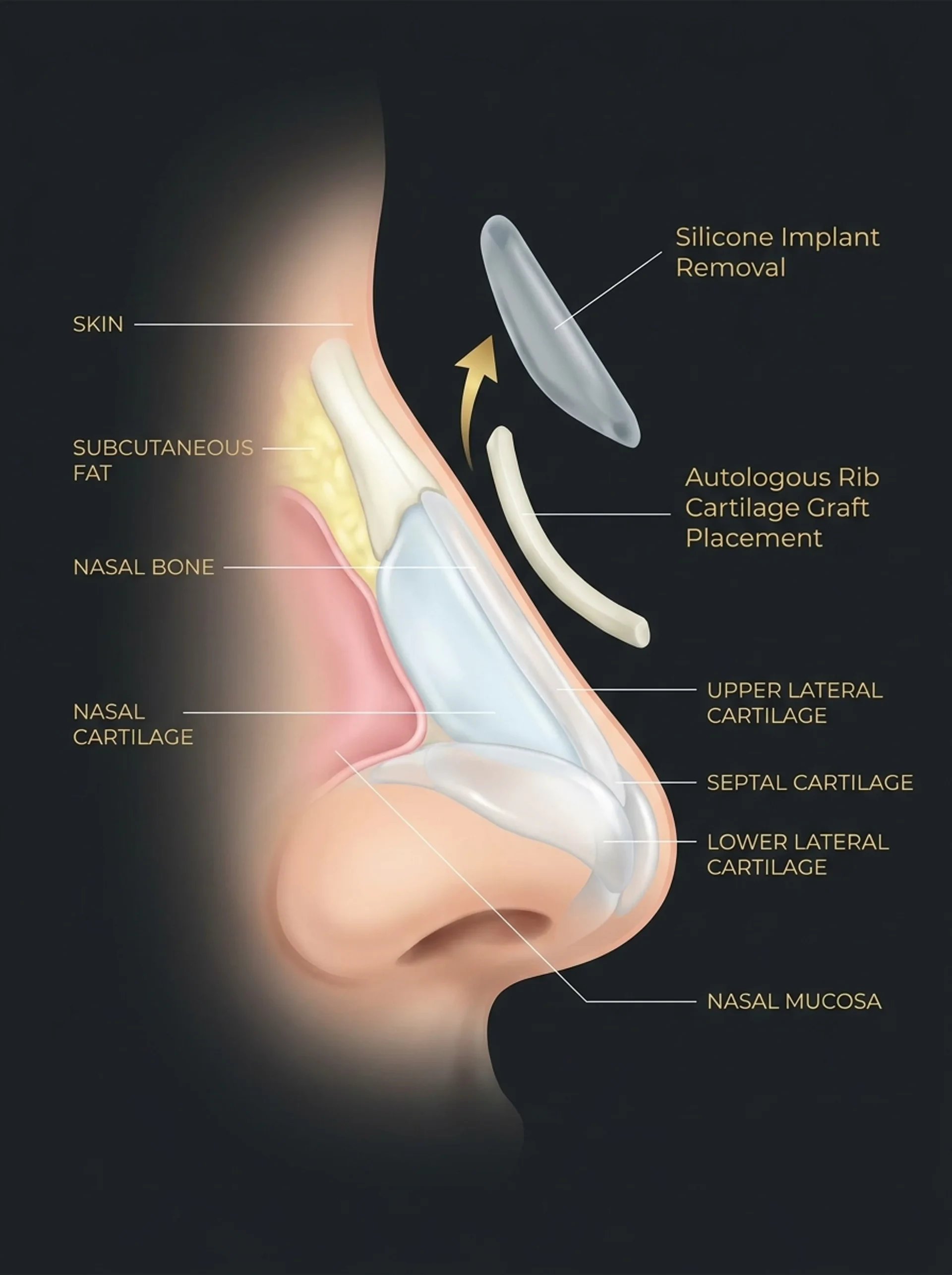
A problematic or exposed implant is removed and replaced with autologous structure.
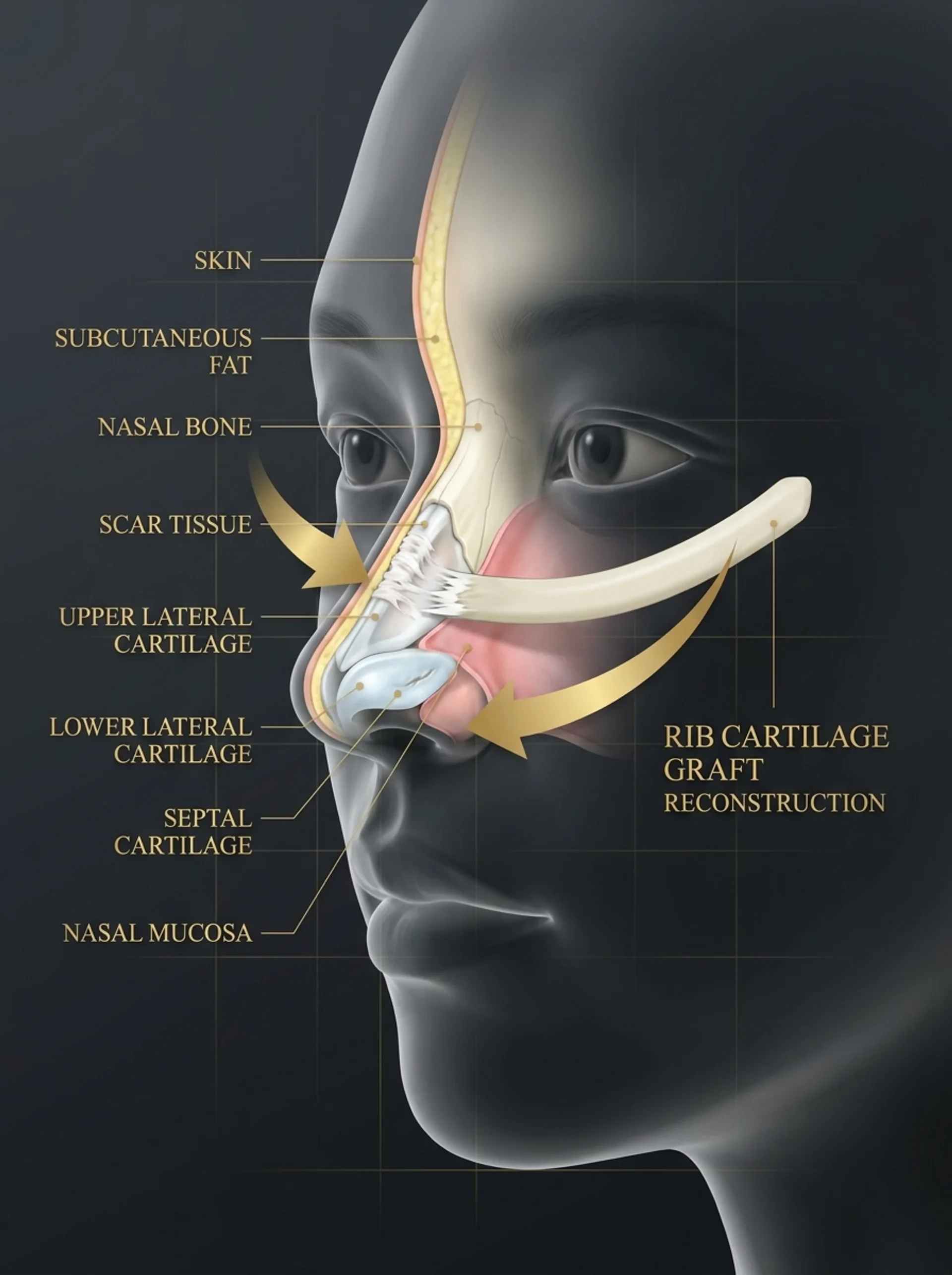
We restore a sound framework rather than adding to a compromised one.
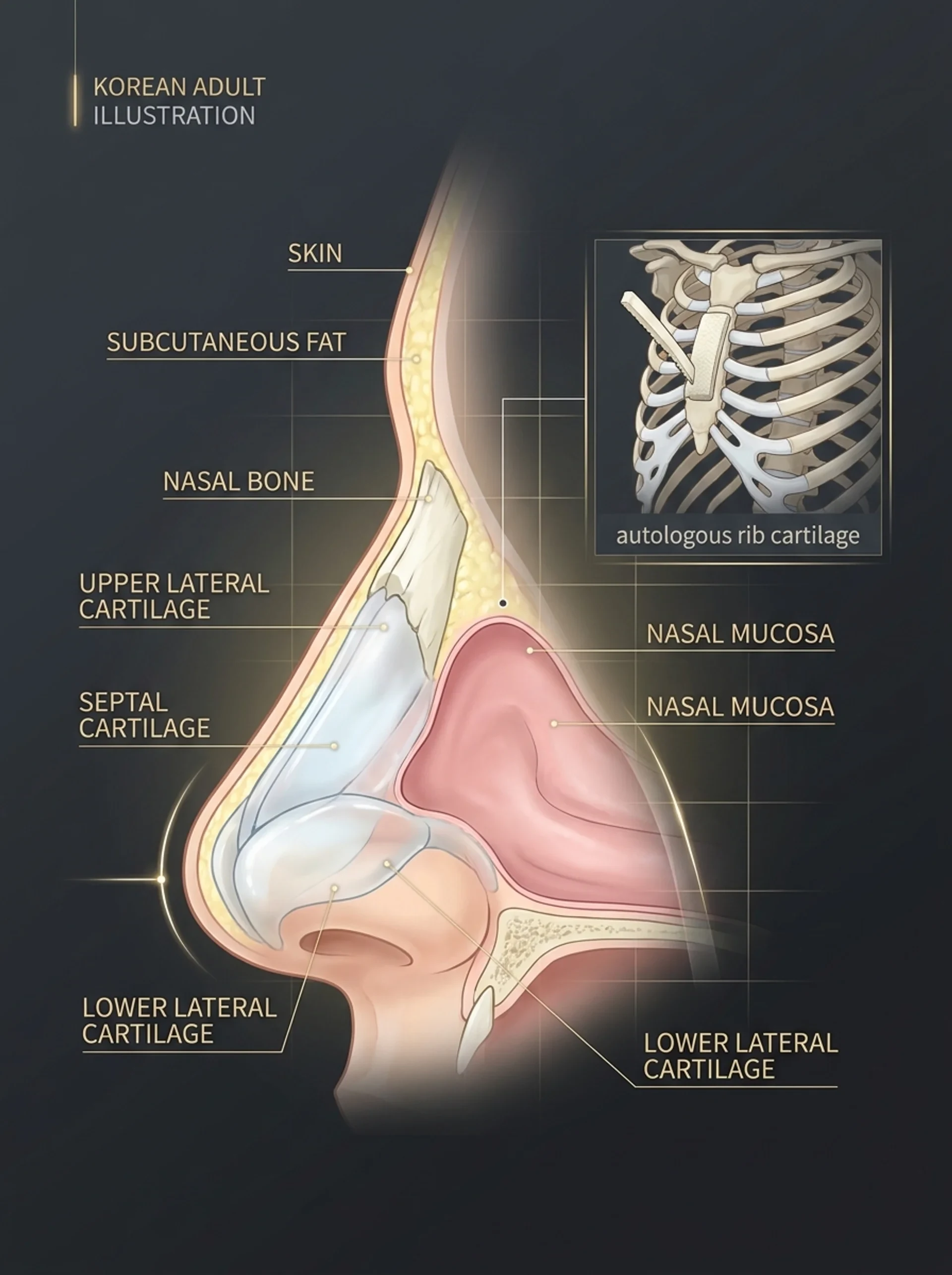
Where possible we use your own cartilage for durability and biocompatibility.
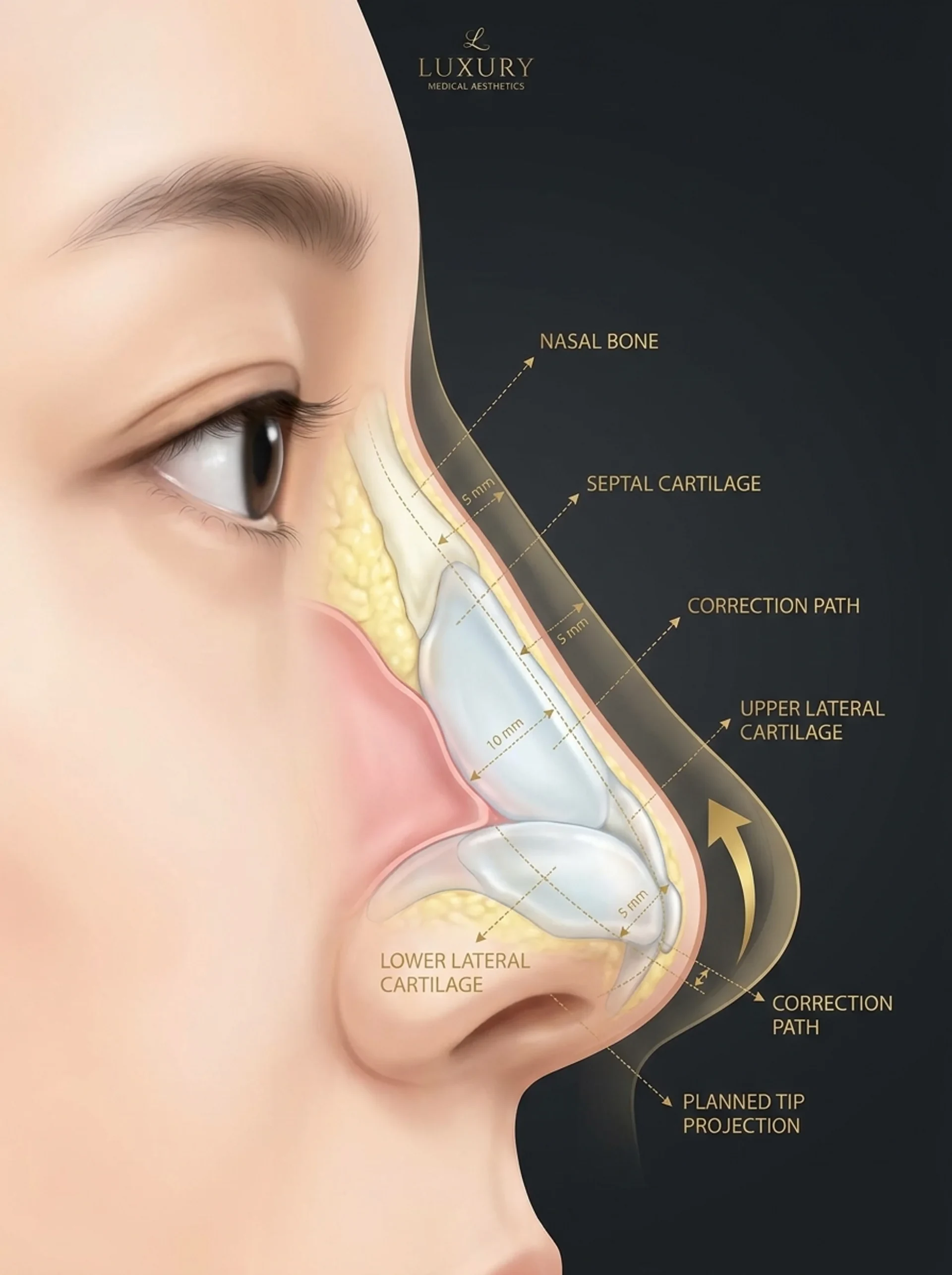
Revision has limits; we map what is realistically achievable before we begin.
| Procedure time | 2–3 hours |
|---|---|
| Anesthesia | Sleep sedation or general |
| Downtime | 1–2 weeks |
| Results settle | 6–12 months, lasting |
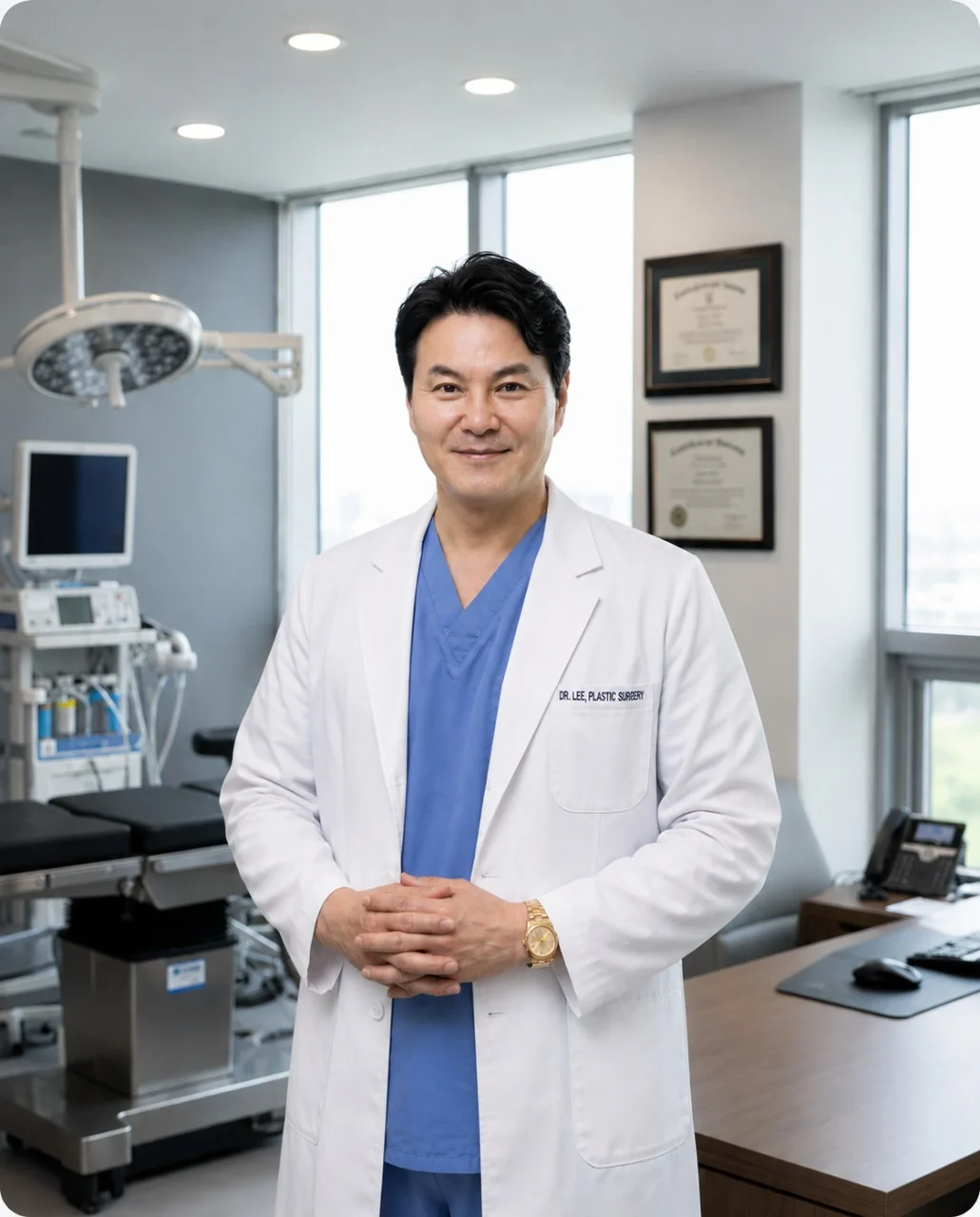
Revision is humbling work. You inherit someone else's scar tissue and a patient's lost trust. My job is to rebuild both — carefully, and without over-promising.
Sangwon Lee, M.D., PhD.
Board-Certified Plastic Surgeon
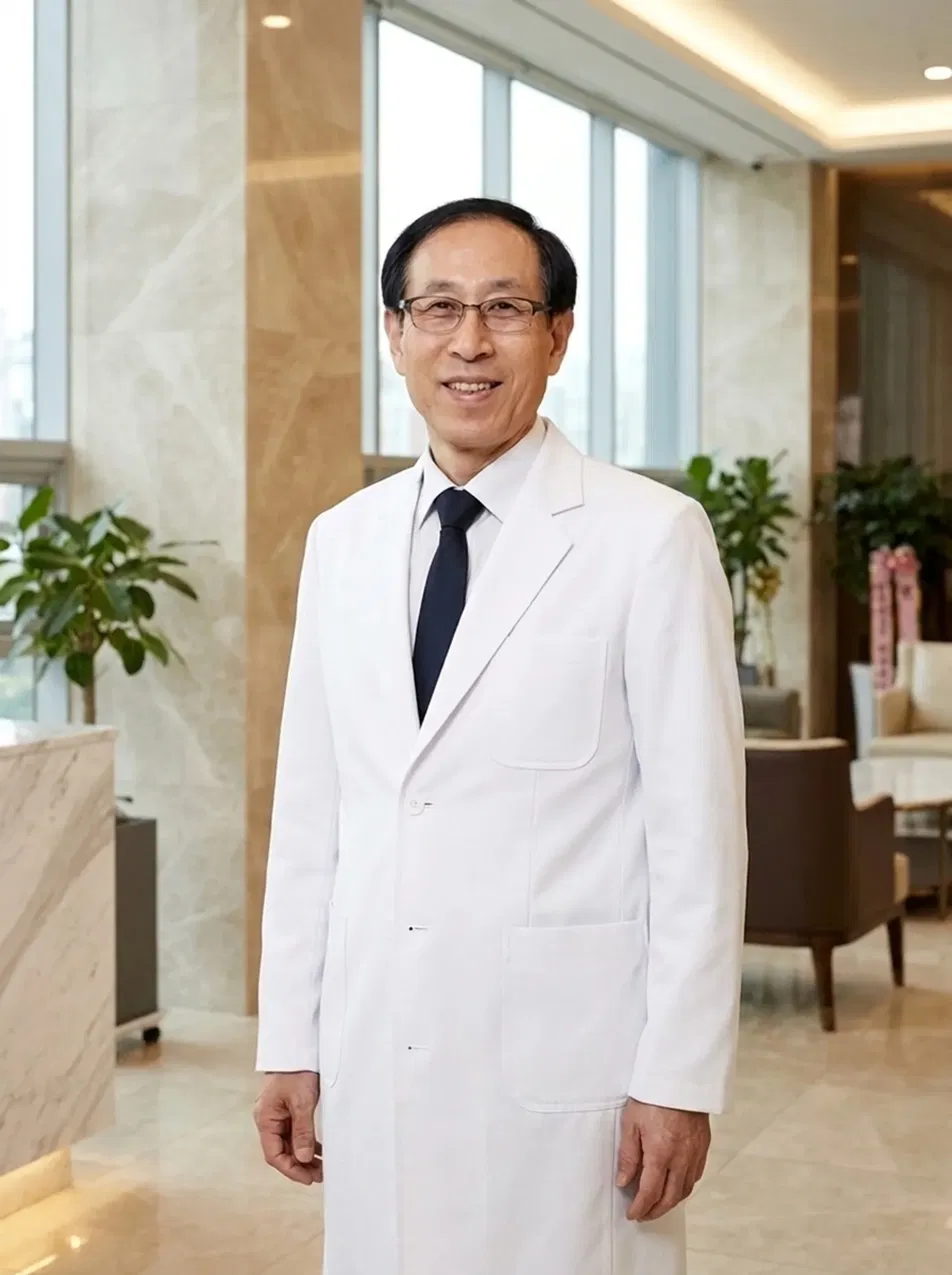
Revision work asks for humility before skill. I listen to what the first surgery left unfinished, then finish it carefully.
Daeyoung Kim, M.D., PhD.
Board-Certified Plastic Surgeon
Facial-proportion mapping and an unhurried 1:1 discussion of your concerns and goals.
A plan drawn to your own anatomy and facial balance — never a template.
Scar release, implant removal and reconstruction with autologous cartilage under sedation or general.
Splint off at 1–2 weeks, then extended reviews as the rebuilt structure settles over months.
Scar tissue, altered anatomy and previous grafts leave less healthy structure to work with, so it demands more planning and often your own rib cartilage.
Frequently, yes — a problematic or exposed implant is removed and replaced with autologous structure.
Get in touch