Otoplasty
Ear reshaping

Before & after
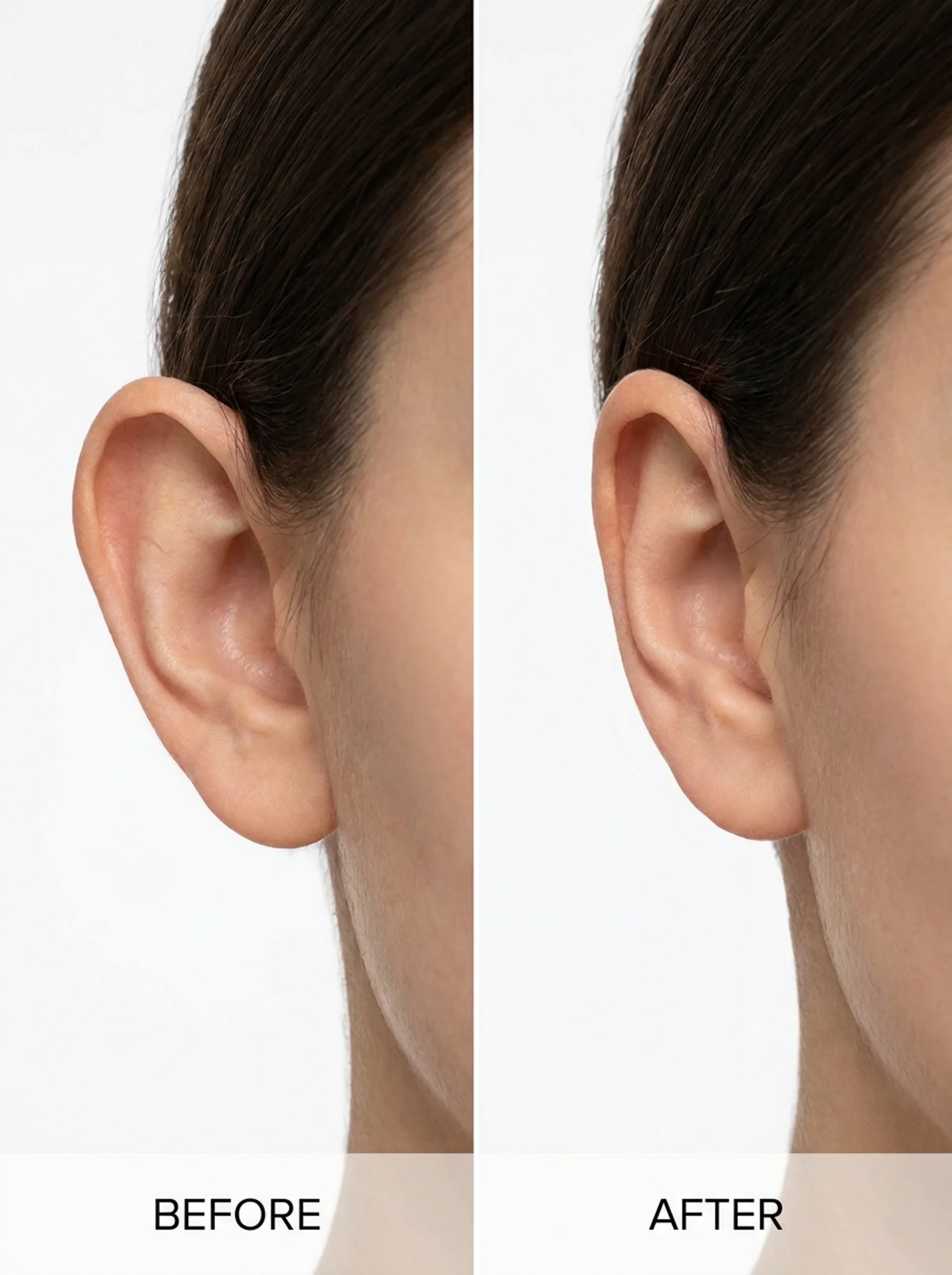
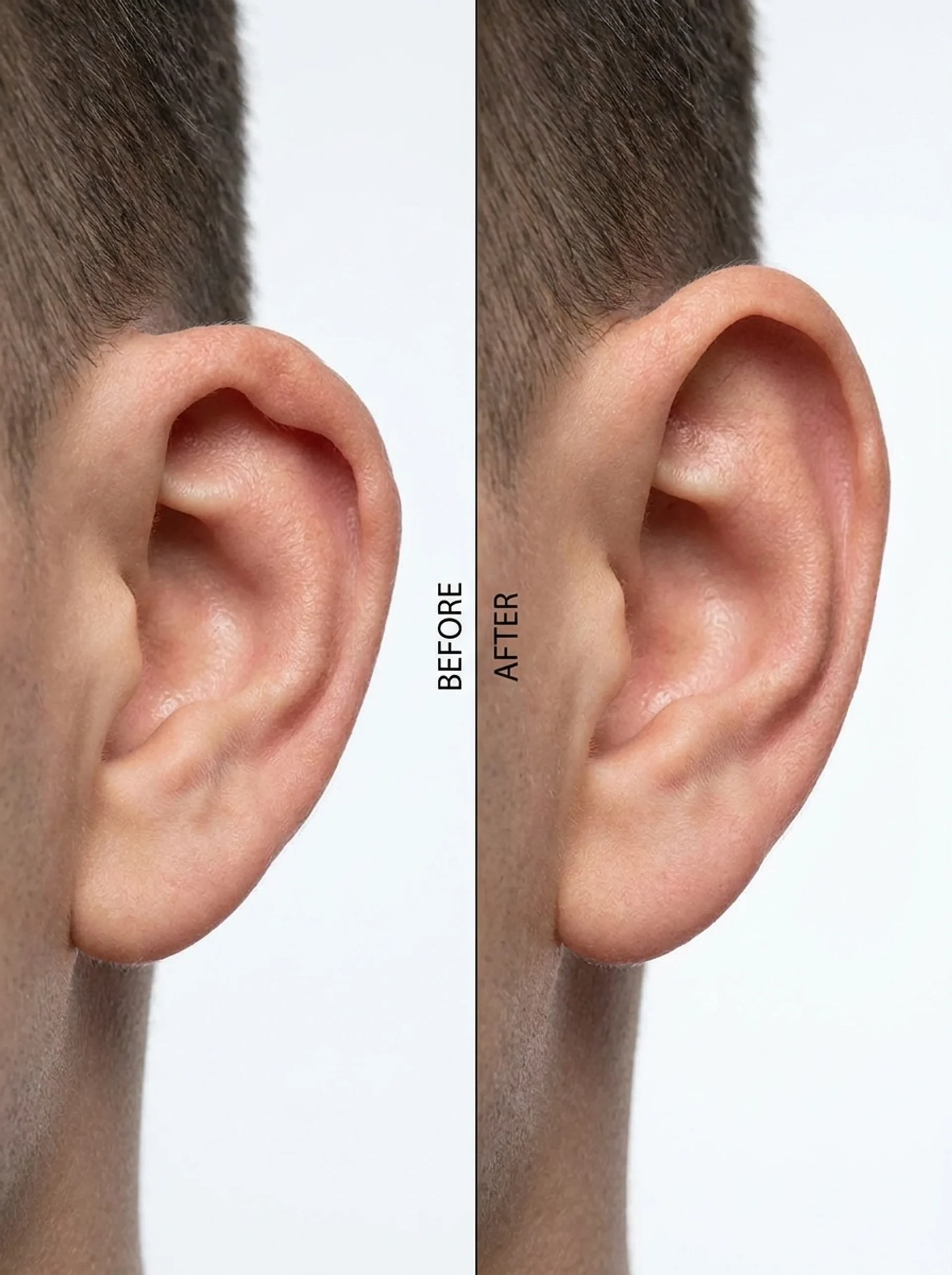
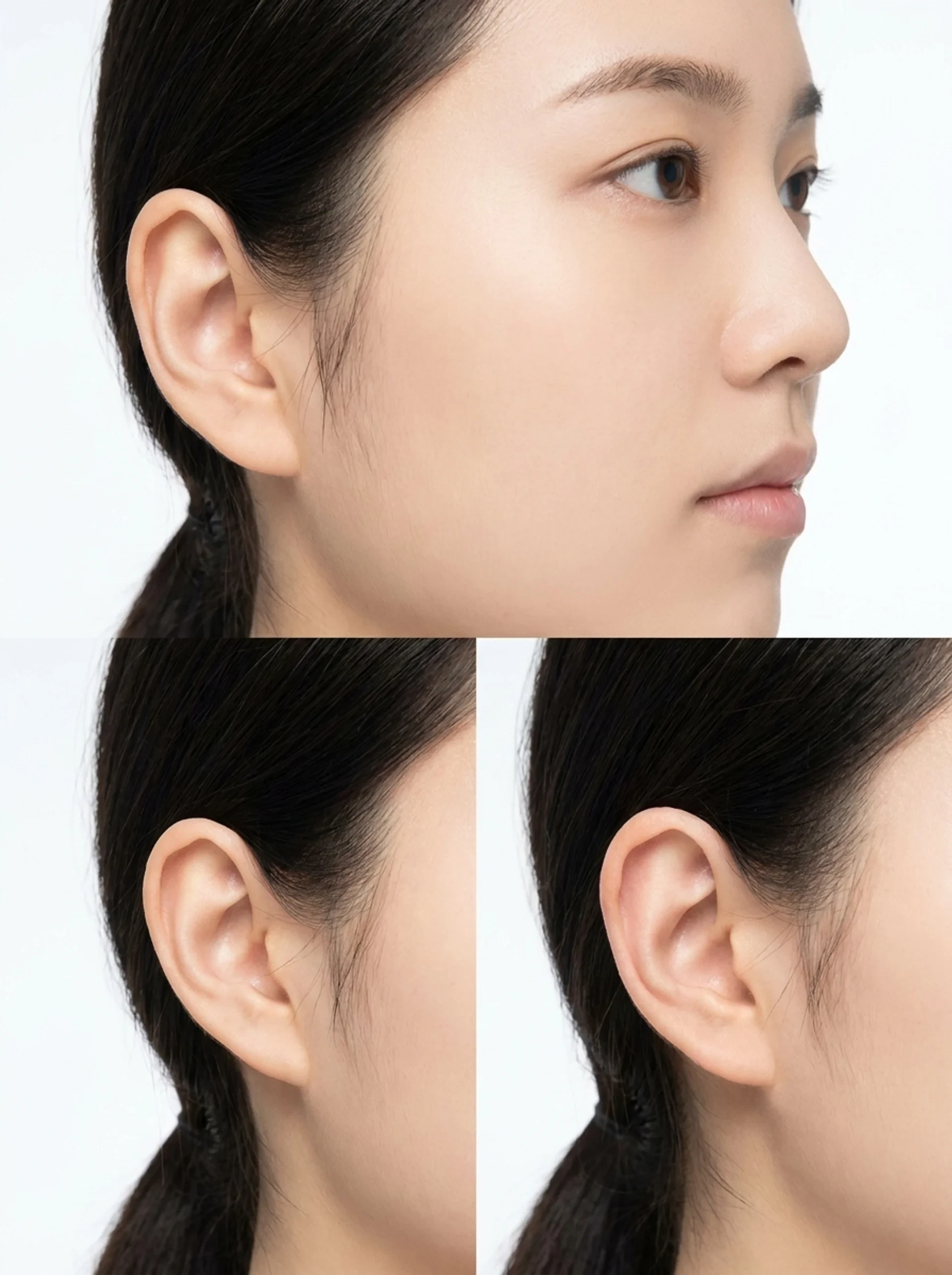
Notice: To protect patient privacy, the images shown are based on photographs of actual patients; however, identifying features have been modified using AI retouching technology. These images are provided solely to aid understanding of surgical outcomes and may differ from actual photographs. Individual results may vary.
Overview
Otoplasty is a refined surgical procedure that reshapes, repositions or reduces the ears to create a more balanced and natural appearance. It is most often performed to correct prominent ears, but it also addresses asymmetry, congenital deformity, cartilage defects and injury.
How it works
Through a small, discreet incision hidden in the natural crease behind the ear, the surgeon sculpts the cartilage to create a natural antihelical fold and reduce the depth of the conchal bowl. The ear is then repositioned closer to the head and secured in its new shape.
Key facts
Who otoplasty is for
Otoplasty suits anyone who wants to improve the appearance, position or symmetry of the ears. Candidates usually fall into one of these groups:
A note on aesthetic philosophy
Otoplasty is not a one-size-fits-all procedure. Some patients want ears that lie flat against the head; others, particularly in Japan, prefer a subtle prominence that adds character and youthfulness. What matters is understanding your aesthetic vision and sculpting accordingly — beauty is personal, and the right result is the one that makes you feel most like yourself.
Summary
Ears that frame your face — naturally and elegantly, whether you want them close, symmetrical or beautifully prominent.
Why choose this approach
- Natural, long-lasting results — typically a single procedure
- Customisable — from full correction to a subtle, deliberate prominence
- Minimal visible scarring — incisions are hidden behind the ear
- Quick recovery — back to normal activity within days
- Suitable for adults and for children from around age five

Ears rarely ask for attention, yet they frame every angle of a face. My work there is precision without noise.
Daeyoung Kim, M.D., PhD.
Board-Certified Plastic Surgeon
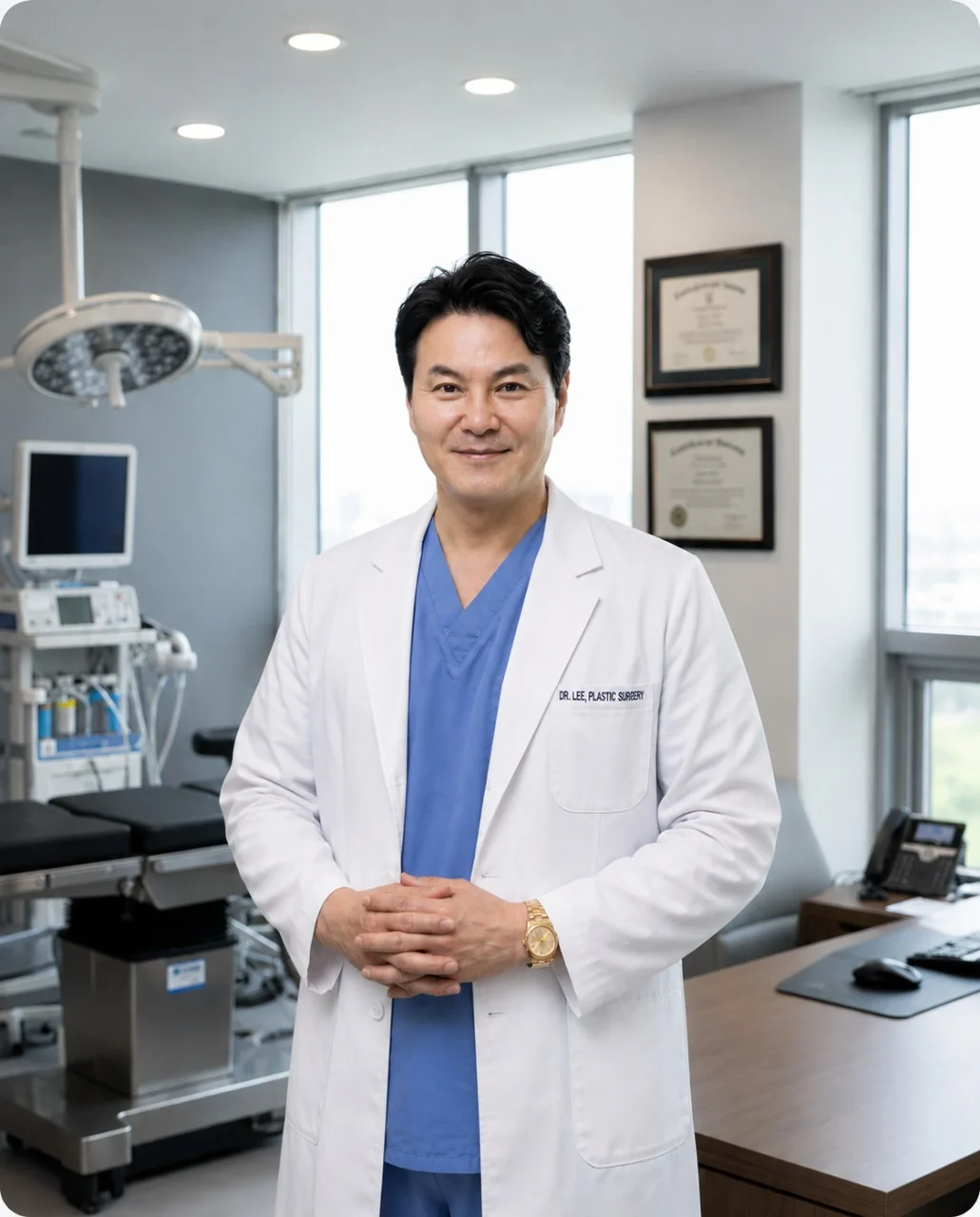
An ear should sit as if it were never operated on. When my work goes unnoticed, it has succeeded.
Sangwon Lee, M.D., PhD.
Board-Certified Plastic Surgeon
Get in touch