Upper blepharoplasty in Gwangju
Upper blepharoplasty is a mid-life eyelid surgery that tidies the loosened skin and fat of an upper lid that has drooped with age, improving a heavy-looking eye and a limited field of view. Cejong Plastic Surgery is in the Sangmu district of Seo-gu, Gwangju, and begins each consultation by reviewing the degree of lid drooping, the eyebrow position and eye-opening strength. Results and recovery can vary with each person's eyelid.
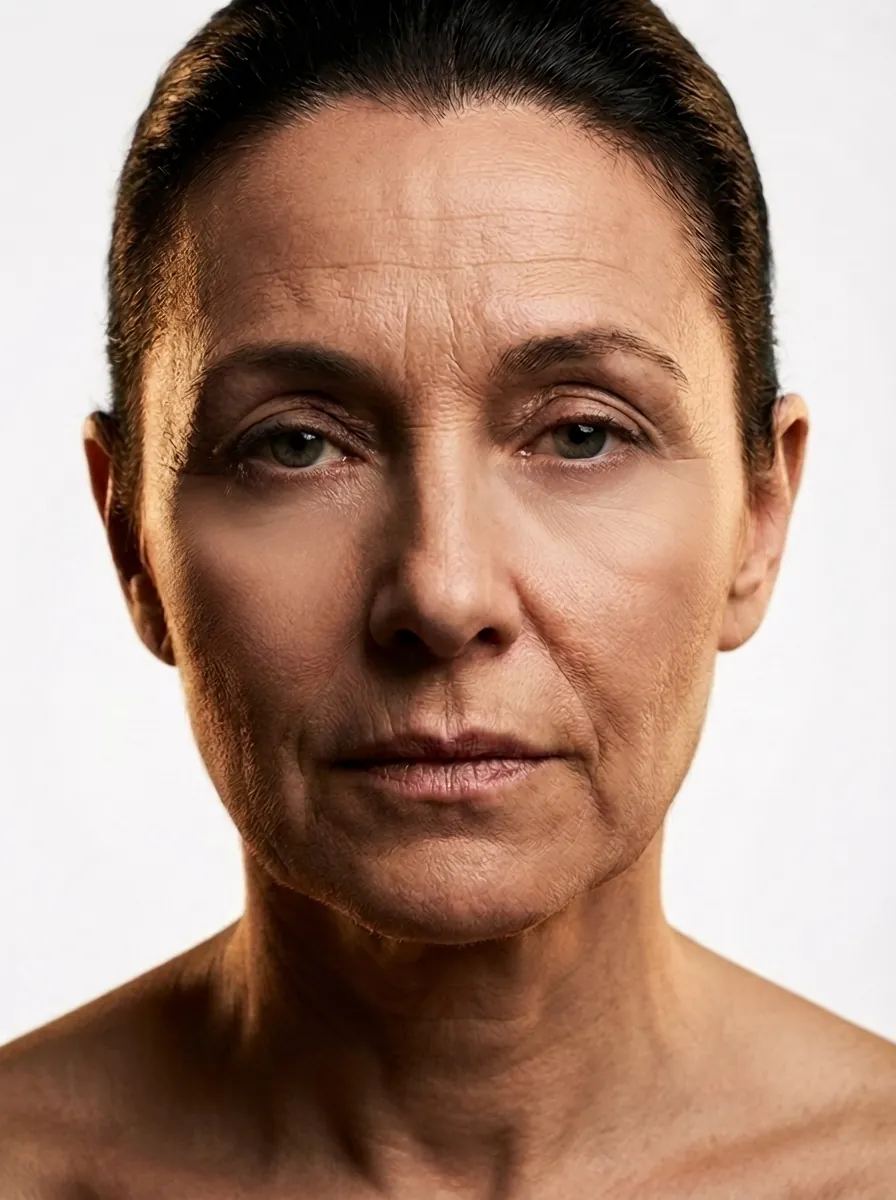
At a glance
- Anaesthesia
- Sedation
- Surgery time
- About 1 hour
- Hospital stay
- Same-day discharge
- Stitch removal
- About 5–7 days
- Back to daily life
- Within a week
- Contact lenses
- After about 2 weeks
Typical, approximate figures — they vary with each person and the extent of surgery. Your own schedule is explained at the consultation.
What is checked at an upper-blepharoplasty consultation?
An upper-blepharoplasty consultation reviews the amount of loosened upper-lid skin and fat, the eyebrow position, eye-opening strength (levator function) and its relation to forehead descent. Whether skin is simply removed or ptosis correction is also considered depends on these.
Before & after
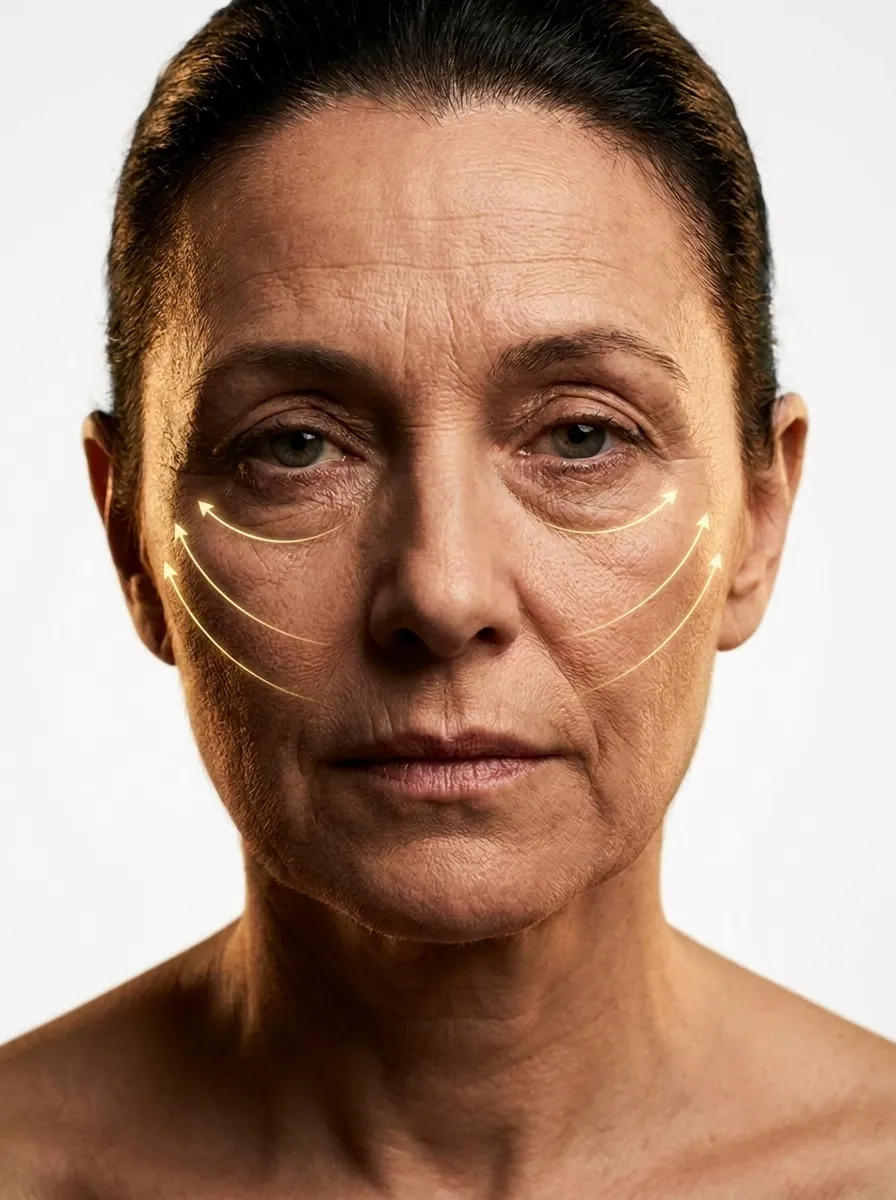
Notice: To protect patient privacy, the images shown are based on photographs of actual patients; however, identifying features have been modified using AI retouching technology. These images are provided solely to aid understanding of surgical outcomes and may differ from actual photographs. Individual results may vary.
More about the surgery — FAQ
What is this surgery?
Upper blepharoplasty tidies the loosened skin and fat of the upper lid to reduce the weight covering the eye. Unlike creating a crisp new crease for aesthetic reasons, it focuses on the mid-life change where drooping skin shades the view or makes the eye look heavy.
When might you consider a consultation?
You might consider a consultation if the upper lid droops over the crease, if the eyes look heavy and tired, or if you strain your forehead to open the eyes. The consultation checks whether the drooping is from skin or from eye-opening strength.
What is assessed before surgery
The amount of loosened skin and fat, the eyebrow and forehead position, eye-opening strength, left–right asymmetry and any previous eye surgery are reviewed. These can change whether only skin is excised or ptosis correction is added, and the expected recovery. Brow descent, how much the view is blocked, whether there is a crease, and left–right asymmetry are also checked.
Surgical methods
Generally the loosened skin and fat are tidied along the crease or below the brow, and when eye-opening is weak, ptosis correction is considered alongside. The incision site and method are decided at the consultation by the eyelid condition and goal. The incision is placed either along the crease or just below the brow, chosen by how much the lid has drooped.
The surgical process
In general it proceeds as consultation and design, anaesthesia, surgery and recovery. The anaesthesia and surgery time depend on the extent. At Cejong it is done under sedation, usually takes about 1 hour, and you go home the same day.
Recovery
Swelling and bruising ease over time, and the incision line settles over a period. When stitches are removed and when you can return to daily life and washing varies from person to person. Stitches are usually removed after about 5–7 days; washing and light daily activity resume after about 2–7 days, and most people are back to daily life, covering bruises with make-up, within a week.
Aftercare & precautions
During recovery, avoid irritating the eye area and adjust washing, make-up and warm compresses as advised. Smoking, alcohol and some medications can affect recovery, so confirm these at the consultation. Avoid contact lenses and rubbing the eyes for about 2 weeks. Use cold compresses for about 72 hours; we advise avoiding smoking for about 2–4 weeks, alcohol for about 2 weeks, and sauna and strenuous exercise for about 4 weeks.
Possible side effects and risks
As with any surgery, upper blepharoplasty carries possible side effects such as swelling, bruising, asymmetry, scarring, differences in height between the two sides, and infection; their degree and course differ between people. It is important to be fully informed about the possible risks and how they are managed at the consultation.
How it differs from related procedures
While double-eyelid surgery focuses on a crisp crease, upper blepharoplasty focuses on the heaviness and view caused by drooping skin. It also addresses a different area than lower blepharoplasty, which treats the under-eye. Suitability is judged at the consultation; see “Related content”.
What is upper blepharoplasty?
Upper blepharoplasty tidies the loosened skin and fat of the upper lid to improve the weight covering the eye and a limited view. When eye-opening is weak, ptosis correction may be considered alongside.
How does it differ from double-eyelid surgery?
Double-eyelid surgery is largely aesthetic, creating a crisp crease, while upper blepharoplasty focuses on the heaviness and reduced view from skin that has drooped in mid-life. Their goals and candidates differ.
Why does the upper eyelid droop?
With age, skin elasticity decreases and the tissues supporting the lid weaken, so the upper lid can droop. Eyebrow/forehead descent or changes in eye-opening strength can also contribute, so the cause is checked together at the consultation.
How does recovery proceed?
Swelling and bruising are most noticeable right after surgery and then ease, and the incision line settles over time. Stitch removal and return to daily life vary between people. Stitches come out after about 5–7 days, and most people return to daily life within a week.
Cejong Plastic Surgery — location & consultation
5F, 4 Sangmu-jungang-ro 28beon-gil, Seo-gu, Gwangju
062-227-3777 · Weekdays AM 09:30 – PM 06:30; Weekend Saturday AM 09:00 – PM 03:00 (Lunch break 12:30–13:00)